
Psychedelic medicine and cultural responsiveness: A call for Aboriginal and Torres Strait Islander engagement in Australian clinical trials and practice

Bianca Sebben, Jem Stone, Jerome Sarris, Daniel Perkins, Kirt Mallie, Scarlet Barnett, Simon G. D. Ruffell, Vanessa L. Beesley
As psychedelic-assisted therapy advances in Australia, through clinical trials and the reclassification of MDMA and psilocybin, there is a critical imperative to centre Aboriginal and Torres Strait Islander Peoples in its ethical development. Despite holding over 65,000 years of relational knowledge with plant and fungal medicines, these communities have been largely excluded from current research and policy conversations. As a result, most psychedelic protocols remain shaped by a Western biomedical paradigm that overlooks Indigenous healing frameworks.
Published in the Australian and New Zealand Journal of Public Health (Dec 2024), this paper highlights how excluding Indigenous perspectives from psychedelic-assisted therapy harms public health.
Western Psychiatry vs Indigenous Worldviews
Contemporary clinical trial protocols for psychedelic-assisted therapy are structured mainly around individualised care, with preparation, dosing, and integration typically occurring within a therapist-participant dyad. This model reflects the colonial legacy of Western psychiatry, which privileges personal autonomy and individual pathology.
In contrast, Indigenous health frameworks, particularly those of Aboriginal and Torres Strait Islander Peoples, centre collective wellbeing. Here, social, emotional, and cultural health are understood as interdependent, with individual healing intrinsically linked to family, community, country, and culture.
Additionally, from an Indigenous perspective, healing with psychedelic medicine is inseparable from the relationship with the medicine itself—its spirit, origin, and ecological context. When used outside of sacred space or without energy-clearing practices, psychedelic substances can disrupt the country and harm native flora. However, Western clinical trial and prescriber models rarely account for these relational and environmental dimensions. Aboriginal and Torres Strait Islander Peoples not only hold deep knowledge of these medicines, but also carry the right to respond to activities on their lands, particularly when there is potential for harm.
Barriers to Access and Participation
There are currently three formal pathways for accessing psychedelic medicines in Australia: drug development trials, investigator-initiated trials, and authorised prescriber models. Each pathway relies on Western diagnostic criteria and screening tools that have not been validated for Aboriginal and Torres Strait Islander populations. This creates a structural barrier for individuals whose mental health experiences have not been clinically diagnosed, or may be culturally bound or community-defined.
In parallel, therapist eligibility requirements—such as formal psychology qualifications and registration with regulatory bodies—often exclude Indigenous healers. This is despite their expertise in cultivating safe, contained environments for botanical medicine work, and the reality that Indigenous therapists are usually uniquely equipped to meet the cultural and relational needs of their communities in ways non-Indigenous practitioners may not be.
Recommendations for Inclusive Practice
To create a truly inclusive and effective psychedelic therapy landscape, the authors propose the following:
Forming Indigenous-led expert reference groups for protocol design
Consulting Traditional Owners to acknowledge and protect cultural knowledge
Diversifying therapist teams to include Indigenous healers
Exploring decentralised, group-based models in naturalistic settings
Ensuring Human Research Ethics Committees (HRECs) and regulators support Indigenous therapist participation and involvement in protocol design
With Australia still in the early stages of designing what psychedelic-assisted therapies will look like in practice, this moment presents a crucial opportunity to prioritise Aboriginal and Torres Strait Islander Peoples’ health equity and cultural wisdom through inclusion at every stage of the evolving process.
Arcane NZ Parliament Ruling Highlights the Need for Change
The paper’s publication feels especially pertinent in light of this summer’s ruling, in which several New Zealand MPs in Aotearoa New Zealand who performed the haka in defence of Indigenous protections were suspended. We invited experts close to Onaya to share their perspectives.
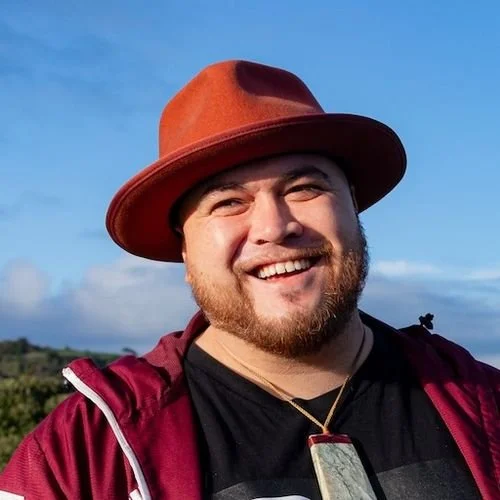
“To suppress haka is to suppress the heartbeat of our people. It is our grief, our pride, our resistance, and our voice. What happened in Parliament only confirms what we already know - that their systems were never built for us. But still, we rise. He rā ka kitea, the day will be seen.”
Jor'el McQueen, Mataora, Agent of Change, Aotearoa, NZ
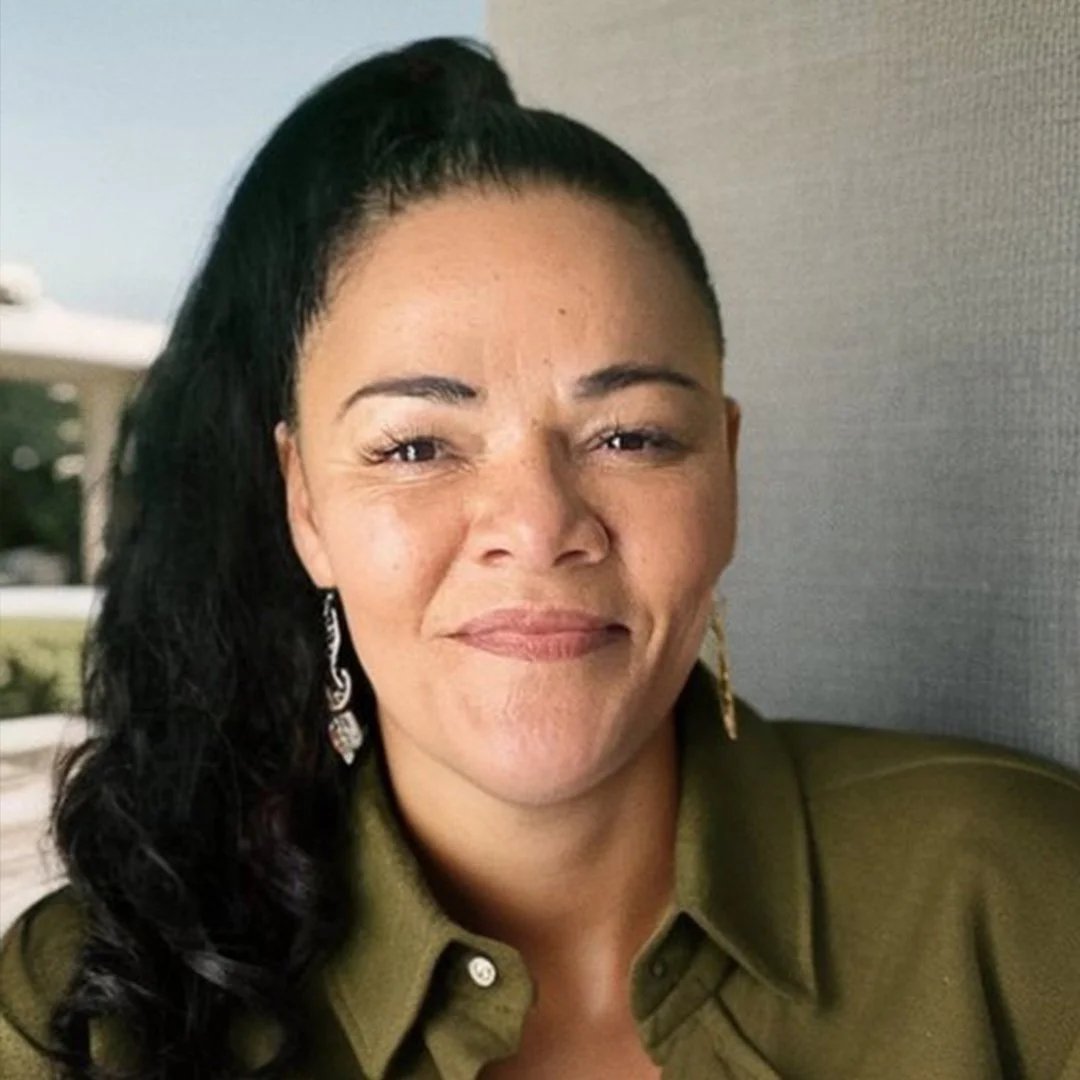
“The experiences unfolding in Aotearoa closely reflect the ongoing realities faced by First Nations peoples in Australia. Colonial systems continue to impose control and cause harm, often under the guise of policy and bureaucratic process. Unlike Aotearoa, Australia has yet to establish a treaty or formal agreement with its First Peoples, and remains a nation operating on unceded, stolen land. In response to these shared challenges, I’m in ongoing communication with Jor’el and his team, building relationships grounded in solidarity and mutual support as Indigenous peoples navigating the westernised psychedelic therapy space in this region of the world.”